Lawn Mowing in Queens Park

Lawn mowing in Queens Park should be straightforward, regular and tuned to the condition of the grass, not treated as a one-size-fits-all chore. Our service focuses on keeping domestic and small commercial lawns neat, even and manageable, with attention to cut height, edge definition and the finish left behind after each visit. If you want a tidy front lawn, a more presentable garden or routine help to keep growth under control, we can provide a practical mowing service built around the space itself.
We support recurring maintenance and one-off mowing where grass has grown beyond the usual cut cycle. Alongside the main cut, we can also discuss related garden work where it helps keep the lawn easier to maintain, such as garden maintenance, hedge trimming and garden clearance. That lets customers choose a sensible level of support instead of booking each task separately without a plan.
For a quotation, it helps to think about the size of the lawn, how often it needs cutting and whether you would like any surrounding areas tidied at the same time. You do not need to overprepare; clear access and a basic description are usually enough to begin a useful conversation. If you already know the style of finish you prefer, mention it when you request a quote.
Regular lawn care and cut patterns
Grass grows at different speeds through the year, so regular mowing is often more effective than waiting until the lawn becomes difficult to handle. A sensible cut rhythm keeps the surface looking cleaner and reduces the effort needed to restore a heavy or uneven lawn. In practical terms, that means planning for the condition of the grass rather than simply counting days between visits. The aim is a steady, presentable finish that stays workable.
We can help with ongoing lawn care where the customer wants the same approach repeated over time. That may include standard mowing, tidy edging and a light finish around the perimeter so the lawn reads as a neat part of the garden rather than an isolated patch of grass. If the space includes adjoining beds, paths or paved sections, careful working makes a visible difference to the overall result. For broader outside upkeep, landscape gardening may also be relevant where the lawn sits within a wider garden layout.
What a mowing visit can cover
A typical visit is more than simply running a mower across the grass. The cut height should suit the lawn condition, the finish should be even, and the working pattern should avoid leaving missed strips or obvious overlap marks. Where edging is needed, a neater border can sharpen the appearance of the lawn and make later maintenance easier. On more straightforward jobs, the priority may be consistency; on more detailed ones, it may be getting the small visual details right.
Managing overgrown or neglected grass

Sometimes a lawn has been left too long for a standard visit to be the right starting point. In those cases the first objective is usually to bring the grass back to a sensible level without stressing the turf or leaving a rough, patchy finish. The work may need a more cautious approach, especially if growth is dense, damp or uneven. Where the lawn has become part of a larger tidy-up, related work such as garden clearance can help remove surrounding debris before mowing begins.
Heavier grass can also reveal practical limitations that matter to the final result. Very long growth may need staged cutting, and some patches may require a different setting or direction to avoid scalping the surface. If branches, cuttings or old garden waste are in the way, it is easier to achieve a clean result when the work area is cleared first. In more comprehensive outdoor projects, landscaping may be relevant where the lawn forms only one part of the wider space.
Useful decisions before booking include whether the grass is simply due a routine cut or whether it has become overgrown, whether you want only mowing or a tidier finish around edges too, and whether access is straightforward. These details help shape the job properly. They also make it easier to decide if a one-off cut is enough or if a regular plan would be the better option for the garden.
Edges, borders and a cleaner finish
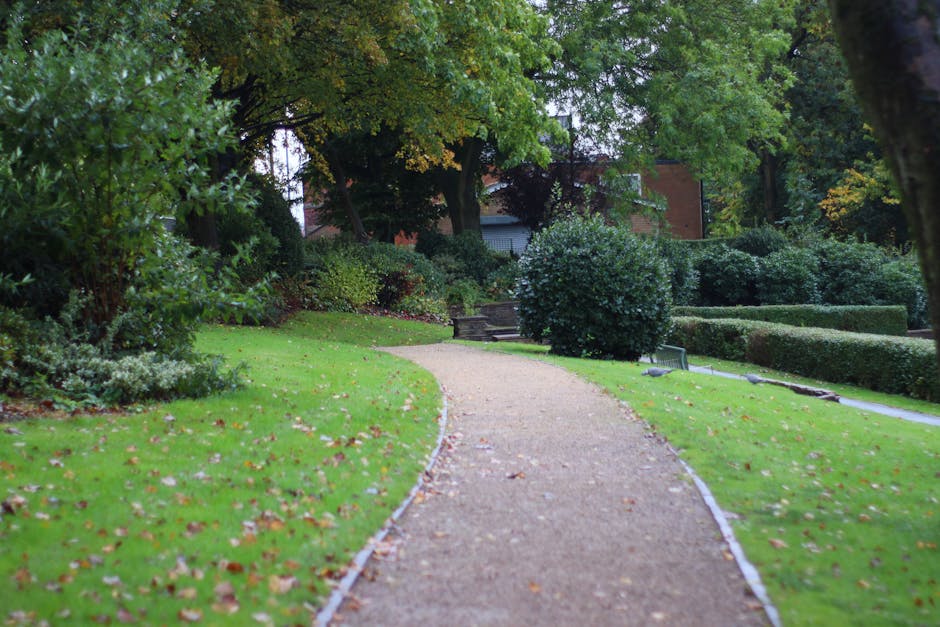
A lawn can be cut neatly and still look unfinished if the edges are left rough. For that reason, the border detail often matters almost as much as the mowing itself. Trimming the perimeter, tidying along paths and keeping the line between lawn and planting areas clear all help the space look cared for. This is especially useful where the lawn is small or close to the house, because minor details become more visible. For taller boundary growth, hedge trimming may also support the final appearance.
We can also consider how the mowing pattern affects the finish from visit to visit. Cutting in a different direction from time to time can help avoid a tired look on the surface and encourage a more even appearance. That said, every lawn has its own condition, so the most suitable approach is the one that works with the grass rather than against it. If there is a wider garden plan in mind, garden maintenance is a useful route for joining up recurring tasks.
Where customers want a clean, presentable look rather than a heavily reshaped garden, the combination of mowing and edging is often the most practical choice. It creates a tidy result without adding unnecessary work. If the lawn sits beside paving, beds or a narrow side passage, those details become even more important because a precise edge line helps the whole area look intentional.
Services that support the lawn

Lawn mowing is often the core task, but it sits best within a sensible group of related services rather than as an isolated job. If the grass is being cut as part of a broader tidy-up, it can make sense to combine mowing with general pruning, light clearance or planting-area adjustments. That keeps the site more manageable and reduces the chance that the lawn looks tidy while the rest of the garden remains unruly. Where the layout is changing, landscape gardening can help connect the work.
For gardens that need more than a simple recurring cut, it may be useful to think in terms of tasks that protect the lawn and improve the setting around it. A clear run to the grass edge, trimmed boundaries and reduced clutter all make future mowing easier. If you are trying to bring a neglected space back into order, combining mowing with garden clearance or a wider services overview can help you decide what should happen first and what can wait.
How we approach a tidy result
The main principle is to match the work to the condition of the site. A straightforward lawn only needs a straightforward solution, while a more varied garden may benefit from a little more planning. That can mean choosing a sensible cutting height, checking the surrounding edges and deciding whether the lawn should be finished as a standalone task or as part of a broader maintenance visit. The result should feel tidy without looking overworked.
Planning a quote for lawn mowing
A useful quotation starts with practical information rather than a long explanation. The size of the lawn, how accessible it is, whether there are slopes or awkward corners and how frequently the grass needs cutting all affect the time and effort involved. If the garden has multiple sections, it is helpful to say that upfront so the work can be considered properly. Where the lawn forms part of a larger project, services such as pricing and quotes may be a sensible next step.
Three details that are especially helpful are the approximate area to be cut, any extra finish you want around borders or paths, and whether the lawn is currently in routine condition or needs more work to restore it. These points give a more accurate picture of the job than general remarks alone. They also help keep the process efficient because the service can be matched to the actual condition of the grass rather than to assumptions. If you are comparing options, that clarity is useful.
When you are ready, ask for a quotation in plain terms and include whatever details you already know. A brief note is enough to begin. If the site needs a broader look, mention that too, because the best mowing plan is often the one that fits the whole garden rather than the grass alone. For direct enquiries, contact us to request a quote.
Keeping the lawn manageable through the seasons

Seasonal change affects how quickly a lawn needs attention and how the cut should be handled. Growth can be soft and rapid in one period, then slower and tougher in another, so the same routine is not always the best routine all year. A practical mowing plan takes this into account and aims for a finish that suits the grass at that time. That is why regular checks are often better than waiting for the lawn to become obviously untidy before acting.
We can help customers choose between a regular pattern and occasional visits depending on how the garden is used. Some lawns need to look smart for day-to-day use, while others only need to stay in reasonable order. In either case, the objective is to keep the space easy to manage without adding unnecessary complexity. If seasonal tidy-up work is needed alongside mowing, garden maintenance may be a better fit than treating everything as a one-off task.
Where the lawn is part of a property frontage, a neat finish can support the overall impression of the outdoor space. Where it sits at the back, the value may be more about usability and simple upkeep. Either way, the same principle applies: the grass should be cut in a way that is careful, even and appropriate to its condition, not rushed through without regard for the end result.
Practical work on the day
Clear access helps any mowing job run smoothly, but that does not mean customers need to stage the garden perfectly before asking for help. If you can make the lawn reachable and identify any delicate areas, it makes the work easier to organise. It is also useful to mention anything that should be avoided, such as planted areas, fragile ornaments or narrow passages. That kind of straightforward information is enough for most quotes and avoids unnecessary back-and-forth.
Some gardens benefit from a simple list of what needs attention, especially if mowing is part of a broader tidy-up. For example: cut the main lawn, tidy the edge, deal with growth near the fence and leave the remainder for another visit. That approach keeps the task focused and helps you decide what matters most now. For larger property projects, landscape gardening can be useful where the lawn is only one part of the intended result.
- Cut the main grass area to a sensible finish
- Tidy visible edges and borders where needed
- Consider whether the lawn needs routine care or a one-off restore
- Note any awkward access or fragile features in advance
About Queens Park
Queens Park is a distinctive area of north-west London associated with the large Victorian public park that gives it its name. The park itself was opened in 1887 and remains the centrepiece of the district, with open grassland, mature trees and formal paths giving the area a strong sense of green space within the city. The neighbourhood is split between the City of Westminster and the London Borough of Brent, which makes its identity slightly more complex than that of a single administrative ward. Residential streets around the park include long terraces and mansion blocks that reflect the area’s late nineteenth- and early twentieth-century development, while surrounding roads connect it to neighbouring parts of Kilburn, Maida Vale and Kensal Rise. The area also has its own station, a useful reminder that the locality has long been shaped by everyday travel as much as by leisure. The park itself has a local, lived-in character rather than the scale of a major tourist destination, and that balance helps explain why Queens Park is often described as both calm and well connected. Its built environment includes rows of brick housing, shops along the main routes and a pattern of streets that feel urban but not overly dense. Even in a busy city, the park provides a clear focal point, with sports pitches, paths and planted areas offering a strong contrast to the surrounding streets. The result is a place where the public green is not an afterthought but a defining feature of the district’s identity and daily rhythm.
Choosing the right mowing support

The right mowing service is usually the one that reflects how the lawn is actually used. A front garden that needs to look smart from the street may call for a consistent, neat finish. A rear lawn used for family time may need the grass kept comfortable and manageable rather than cut as short as possible. The best choice is not always the most elaborate one; often it is the service that maintains the lawn properly and avoids unnecessary disruption.
For some customers, the best value comes from combining mowing with broader help so the garden stays in order with less effort over time. For others, a plain recurring cut is all that is needed. Both approaches can make sense, provided they match the site and the level of upkeep required. If you want a broader starting point, services overview can help you compare the main options alongside the lawn work itself.
When you are ready to move forward, keep the request simple and specific: tell us about the lawn, the kind of finish you want and whether you need a regular arrangement or a one-off visit. Then ask for a quotation in your own words. Clear information now saves time later, and it helps the work begin on the right footing.