Garden access problems Queens Park gardeners solutions: practical fixes that make garden work easier
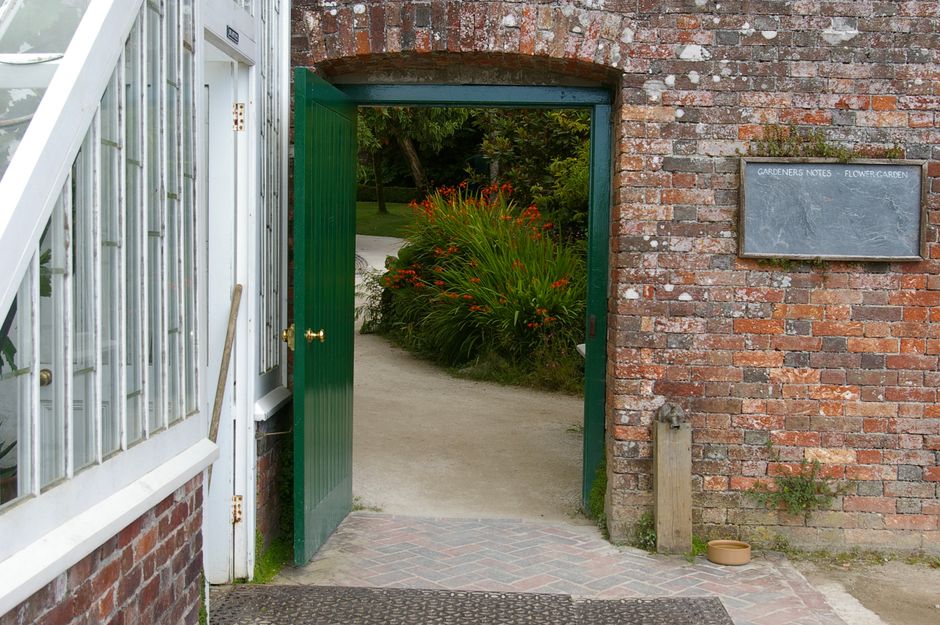
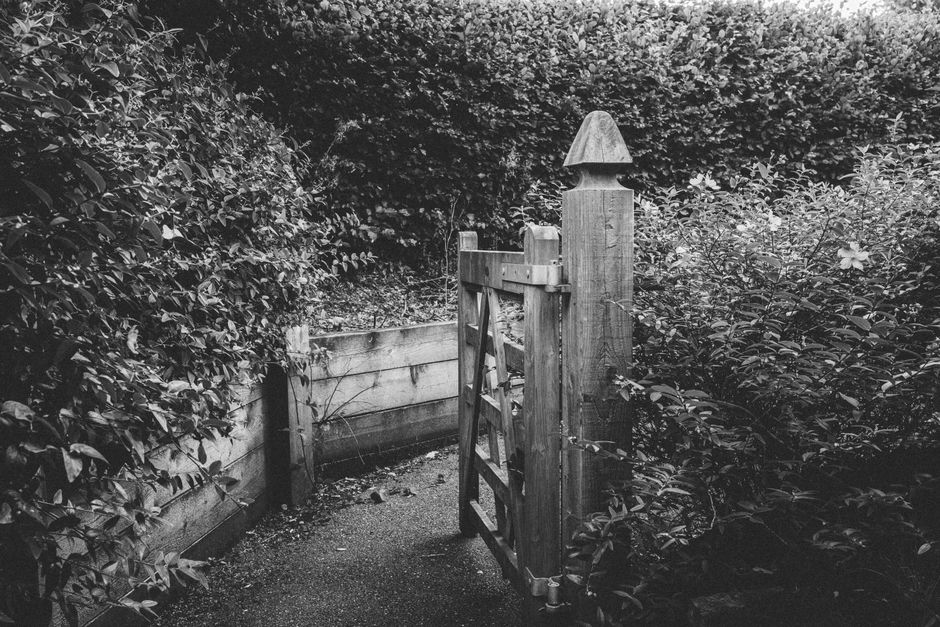
If you have ever tried to get a mower, bags of waste, a ladder, or a wheelbarrow through a narrow side gate, you will know the feeling. It is one of those small jobs that turns into a surprisingly big headache. In Queens Park, where many gardens are tucked behind terraced homes, split-level plots, basements, shared passages, or awkward side returns, garden access problems Queens Park gardeners solutions is not a niche subject at all. It is the difference between a straightforward visit and a frustrating day of carrying kit around by hand.
This guide looks at what access issues actually mean in real life, how professional gardeners work around them, and which solutions are sensible for different kinds of homes. You will also find a practical checklist, a comparison table, and a few mistakes that are easy to avoid once you know what to look for. Truth be told, good garden work often starts before the tools come out.
Why Garden access problems Queens Park gardeners solutions Matters
Garden access sounds simple until you are carrying bags of soil through a hallway, or trying to move hedge cuttings out through a doorway that barely clears a standard mower. In Queens Park, the layout of many properties means access can be tight, shared, steep, or simply inconvenient. Some gardens are reached only through the house, some via a narrow alley, and some through an unusual route that only makes sense once you have walked it twice.
Why does this matter so much? Because access affects time, cost, safety, and the overall finish of the work. A job that looks like a routine trim can quickly become more labour-intensive if every load needs to be moved by hand. That does not mean the work cannot be done well. It just means planning matters more than usual.
It also affects the relationship between customer and gardener. If access details are not discussed early, the visit can feel rushed or awkward. If they are discussed properly, the day tends to go smoothly. A quick conversation up front can save a lot of back-and-forth later. Simple, but true.
In our experience, the best outcomes come when access is treated as part of the garden design and maintenance plan, not as an afterthought. That is especially relevant if you are considering ongoing garden maintenance or a one-off tidy-up such as garden clearance.
How Garden access problems Queens Park gardeners solutions Works
The basic idea is straightforward: the gardener assesses how tools, materials, and waste will move in and out of the garden, then chooses the least disruptive route and method. But the real work sits in the details. There is no single fix that suits every property.
A practical access plan usually looks at five things:
- Entry route - front path, side passage, shared access, rear lane, or through the house.
- Width and clearance - whether tools, bags, and machinery can physically pass through without damage.
- Surface condition - steps, slopes, muddy sections, slippery paving, loose gravel, or uneven slabs.
- Storage and staging area - somewhere to park tools, stack waste, or prepare materials without blocking the way.
- Waste removal plan - how green waste, old plants, soil, or broken materials will leave the site.
That assessment then shapes the working method. For example, a gardener may use smaller hand tools instead of a large machine, split the work into stages, protect indoor flooring if waste must pass through the house, or arrange a clearance load rather than making multiple trips. Sometimes the solution is as practical as changing the order of tasks. Cut, bag, move, then finish. Not glamorous, but efficient.
It is also common for local teams to adapt their approach if the garden contains decking, dense hedging, or awkward tree growth. If overgrown branches are part of the obstacle, a service such as tree lopping and removal may be needed before routine maintenance becomes realistic again. Likewise, where hedges pinch the entry path, hedge trimming can restore proper access.
Key Benefits and Practical Advantages
Good access planning is not just about convenience. It changes the whole job.
- Less damage risk - fewer scratches to walls, floors, gates, paving, and planting.
- Faster turnaround - less time spent wrestling equipment through tight spaces.
- Better safety - reduced trip hazards and less strain from carrying heavy items awkwardly.
- Cleaner finish - waste can be removed tidily instead of being left in piles around the property.
- More realistic quoting - access issues are factored in before work starts, which reduces surprises.
- Better long-term planning - recurring maintenance becomes easier when the route is understood.
For homeowners, there is another benefit that is easy to overlook: peace of mind. When you know the gardener has already thought through the route, the waste handling, and the likely pinch points, you do not need to hover nervously near the back door wondering what is about to be knocked over.
Expert summary: the best access solution is usually the one that keeps the garden work moving without forcing unnecessary risk through the house, along narrow paths, or over fragile surfaces.
There is also a design angle. In some cases, the access problem is really a layout problem in disguise. That is where longer-term landscaping or landscape gardening ideas can help, especially if you want future visits to be simpler and less disruptive.
Who This Is For and When It Makes Sense
This topic is relevant to a lot more people than you might think. You may need a proper access plan if you are:
- living in a terraced or semi-detached property with a narrow side return
- managing a back garden reached only through the house
- dealing with a steep, split-level, or basement-level outdoor space
- preparing an overgrown garden for a reset or clear-out
- trying to schedule regular mowing, pruning, or seasonal tidy-ups
- planning new decking, planting, or hard landscaping that will change how the space is used
It also makes sense if you are a landlord, property manager, or homeowner who has been putting off garden work because the access looks awkward. A lot of people do this. They look at the route, sigh, and leave it another month. Then another month. Then suddenly the job is no longer a small one.
To be fair, some access issues are more psychological than practical. A path may seem too narrow at first glance, but once a professional has assessed it, the job may be perfectly manageable with smaller tools and a sensible work sequence. On the other hand, some situations really do need a different plan. The only honest answer is to look properly.
If the garden has become heavily neglected, it may be worth pairing the access review with a one-off garden clearance before moving into regular upkeep. That is often the point where things start feeling manageable again.
Step-by-Step Guidance
Here is a practical way to approach garden access problems without overcomplicating it.
1. Walk the route from the street to the garden
Start with the exact route a gardener would use. Open the gate, check steps, note tight corners, and look for low hanging branches, bins, bikes, or stored items that block the way. It sounds obvious, but people often describe the access from memory rather than from what is actually there. Memory is useful. Reality is better.
2. Identify the heaviest or widest items
Think about the largest things likely to be moved: mower, trimmer, bags of waste, compost, plants, timber, or decking materials. If those items fit comfortably, the rest of the work usually becomes much easier.
3. Decide whether the route is single-pass or repeated-pass
Some gardens need a one-time move in, one-time move out. Others require repeated trips, especially during clearance work. If repeated passes are likely, the risk of wear, mess, or congestion goes up. That is when a slower, staged method often works best.
4. Remove avoidable obstacles first
Move wheelie bins, bikes, loose pots, children's toys, and garden furniture before the work starts. If a hedge or tree is physically narrowing the route, deal with that in a way that creates the space needed for future work. Sometimes hedge trimming or tree lopping and removal makes the biggest difference, even before the main maintenance visit happens.
5. Match the tools to the access
A big mower is not always the best choice. In tighter Queens Park gardens, hand tools, smaller equipment, or modular working methods can be more efficient. A good gardener does not force the wrong machine into the wrong route. That is just asking for trouble.
6. Protect surfaces and internal spaces if needed
If the route goes through the house, ask how flooring, door frames, and thresholds will be protected. Dust sheets, safe carrying methods, and careful waste bagging make a big difference. You want garden work to feel like garden work, not like a moving day with soil involved.
7. Build a realistic schedule
If the job is awkward, do not squeeze it into an impossible time slot. A sensible schedule allows for access checks, clean-up, and proper waste removal. That is especially useful for regular lawn mowing or broader garden maintenance.
Expert Tips for Better Results
Small adjustments can make a surprisingly big difference.
- Keep access clear year-round. A path that is clear in spring can become a nuisance by mid-summer if pots, climbers, or storage creep into the route.
- Photograph tight spots before the visit. A couple of simple photos can help a gardener bring the right tools first time.
- Use the widest point of entry if possible. Sometimes the less obvious route is actually the easier one. Human logic is funny like that.
- Separate green waste from mixed waste. It speeds loading, reduces confusion, and helps the visit finish tidily.
- Plan for weather. A route that is fine on a dry morning may be slippery after rain. You notice this quickly in London, especially after a drizzly start.
- Think beyond the first visit. If access is marginal now, a small layout change could make all future visits simpler.
One more tip: if access is complicated because the garden is built around decking, raised beds, or narrow walkways, then the solution may be partly structural. In that case, a conversation about decking services or broader landscaping can be genuinely helpful, not just cosmetic.
Common Mistakes to Avoid
Some access problems are made worse by fairly ordinary oversights. The good news is that most of them are preventable.
- Not mentioning access at the booking stage. This is the classic one. The team arrives, sees the issue, and everyone has to improvise.
- Assuming a narrow route is automatically a deal-breaker. Often it is not. It may just require different tools or a different working order.
- Leaving the route cluttered. Bins, toys, stacked firewood, and forgotten planters all add friction.
- Underestimating waste volume. A small hedge trim can produce a lot of cuttings. A neglected border can produce even more.
- Ignoring sharp corners or fragile surfaces. One awkward turn can do more damage than the rest of the route combined.
- Choosing the cheapest quote without discussing access. If one quote includes proper access planning and another does not, you are not comparing like with like.
There is also a subtler mistake: treating access as a one-off inconvenience rather than a recurring operational issue. If you need garden work several times a year, it is worth making the route easier permanently. Otherwise every appointment starts with the same old dance.
Tools, Resources and Recommendations
You do not need specialist kit just to think clearly about access, but a few practical things help.
- A tape measure for gate widths, path width, and tight clearances.
- Basic phone photos from the street, side passage, and back garden.
- Dust sheets or floor protection if waste must pass through indoor areas.
- Strong bags or containers for green waste and loose debris.
- Temporary storage space for tools or cuttings while the work is in progress.
- A simple site plan if the garden is unusually shaped or split level.
If you are arranging an ongoing service, it helps to review the company's wider approach too. Pages such as services overview, pricing and quotes, and about us can give you a better feel for how they work and what kind of jobs they typically handle. That sort of background reading sounds dull, maybe, but it saves awkward surprises later.
If sustainability matters to you, ask how waste is handled and whether recyclable green waste is separated sensibly. A responsible approach to disposal can make a proper difference, which is why recycling and sustainability is worth checking alongside the actual garden work.
Law, Compliance, Standards, or Best Practice
For most domestic garden visits, the important thing is not a complicated legal framework but sensible working practice. Still, there are a few UK expectations worth keeping in mind.
If work involves carrying equipment through a house or shared area, the person doing the work should take reasonable care to avoid damage and reduce trip hazards. If there are steps, slopes, damp paving, or awkward loads, a careful method matters. That is just basic duty of care, really.
For larger projects, especially where heavier machinery, tree work, or substantial clearance is involved, safety planning becomes more important. Good operators should be able to explain how they manage hazards, protect surfaces, and handle waste. You can also look for reassurance in their published policies, such as health and safety policy and insurance and safety.
Insurance is worth mentioning plainly. If access is tight and there is a higher chance of accidental scuffs, breakage, or slip risks, it is sensible to know how the provider works and whether they carry appropriate cover. That is not being fussy; that is being practical.
Accessibility can matter too, especially where routes are narrow, uneven, or difficult for someone with mobility needs. A respectful, adaptable approach is part of good service. If this is relevant to you or your household, a provider's accessibility statement can be a useful sign of how seriously they think about inclusion and site planning.
Finally, if a job goes ahead under agreed terms, it helps to understand the booking, payment, and complaint process in advance. Those details are not exciting, sure, but they are useful. Pages like terms and conditions, payment and security, and complaints procedure exist for a reason.
Options, Methods, or Comparison Table
Different access problems call for different methods. Here is a simple comparison to make that easier to picture.
| Situation | Typical challenge | Practical approach | Best for |
|---|---|---|---|
| Narrow side passage | Tools and waste barely fit through | Use smaller equipment, staged loading, and careful route planning | Routine maintenance, hedge work, light clearance |
| Access through the house | Risk of mess or floor damage | Protect surfaces, bag waste well, minimise repeat trips | Back gardens with no external route |
| Overgrown entry path | Plants or hedging block movement | Trim back growth first, then carry out the main work | Neglected gardens, seasonal resets |
| Split-level or stepped access | Loads are awkward to carry safely | Break tasks into smaller movements and avoid overloading bags | Heavy pruning, clear-outs, redesign work |
| Shared access | Need to respect neighbours and common areas | Work to agreed times, keep passage clear, remove waste promptly | Terraces, communal lanes, managed properties |
There is no universal winner here. The right method depends on how often the garden is serviced, how much waste is expected, and whether the route is merely awkward or genuinely restrictive. A one-off clearance may need a different approach from weekly or fortnightly maintenance. That is normal.
Case Study or Real-World Example
Imagine a typical Queens Park home with a rear garden reached only through the property. The garden itself is not huge, but the borders are overgrown, the lawn has gone patchy, and the side access is too narrow for anything bulky. The first instinct is usually to think, "This is going to be a pain." Fair enough.
In a case like this, the sensible approach would be:
- clear the route through the house and identify the safest carrying line
- start with the most obstructive growth near the access point
- use smaller tools rather than forcing larger machinery through
- bag cuttings in manageable loads
- remove waste in stages so the route stays usable
- finish with a lighter maintenance pass to keep things under control
What usually surprises people is that the garden looks dramatically better once the access issue is handled first. Not because the garden was impossible, but because the work was previously being fought in the wrong order. Once the route is clear, the whole space seems to breathe a bit. You can almost hear it, in a way.
That same logic applies when a property needs more than maintenance. If access is blocked by worn-out features, old timber, or awkward layout choices, a broader redesign may be the answer. In those situations, landscape gardening or even targeted decking services may turn a difficult garden into one that is far easier to use and keep tidy.
Practical Checklist
Use this before booking or starting work.
- Have I walked the full route from the street to the garden?
- Are gates, paths, and doorways wide enough for the planned tools?
- Do I know where waste will be stored temporarily?
- Have I removed bins, bikes, toys, and loose clutter?
- Are there steps, slopes, or slippery areas that need extra care?
- Will the route go through the house, and if so, what protection is needed?
- Is the job a one-off clearance or an ongoing visit?
- Do I need hedge, tree, or border work before maintenance makes sense?
- Have I shared photos or measurements with the gardener?
- Do I understand the booking, payment, and service terms?
If you can tick most of those off, you are already ahead of the game.
Conclusion
Garden access problems in Queens Park are common, but they are rarely hopeless. With the right planning, the right tools, and a realistic route through the property, most awkward gardens can be managed safely and neatly. Sometimes the answer is a simple trim. Sometimes it is better access planning. Sometimes it is a broader redesign. The point is to choose the right fix rather than forcing the wrong one.
For homeowners, landlords, and anyone trying to keep a garden usable without making a mess of the house or the schedule, the big win is clarity. Know the route. Know the load. Know the plan. Everything becomes easier from there. And honestly, that little bit of forethought can save a lot of stress.
Get a free quote today and see how much you can save.
Frequently Asked Questions
What counts as a garden access problem in Queens Park?
It can be anything that makes garden work harder to carry out safely or efficiently: narrow side passages, access through the house, steep steps, shared entrances, awkward corners, or heavy overgrowth near the route.
Can gardeners still work if the only access is through the house?
Yes, often they can. The key is careful planning, good waste bagging, and protection for floors and door frames. It is a bit more involved, but not unusual.
Do access problems make garden work more expensive?
Sometimes they can, because more time, care, or labour is needed. A clear explanation of the route and the likely waste volume usually helps avoid surprises in the quote.
Should I clear the route before the gardener arrives?
Yes, if you can. Moving bins, toys, pots, and loose furniture makes the work smoother and reduces the risk of damage or delay.
What if my hedge is blocking access to the garden?
That is a common issue. Hedge trimming can open up the route and make future visits easier. In some cases, overgrown branches also need attention.
Is garden clearance better than regular maintenance for a badly overgrown space?
Usually, yes. If the garden has not been touched for a long time, a clearance visit can reset the space before ongoing maintenance begins.
How can I tell whether my access route is too narrow for equipment?
Measure gates and passages, then compare them with the largest likely items. Photos help too. If you are unsure, it is better to show the route early rather than guess.
What should I ask a gardener about access before booking?
Ask how they handle narrow routes, whether they use smaller tools, how waste is removed, and whether they need indoor protection. Straight questions are best.
Do I need landscaping if access is always awkward?
Not always, but sometimes a small layout change makes a huge difference. Path adjustments, raised areas, or deck changes can improve access over the long term.
What is the safest way to handle waste in a tight garden?
Keep loads manageable, bag them properly, and remove them in stages if needed. Trying to carry too much at once is where problems start.
Can access problems affect lawn mowing?
Yes. If a mower cannot get through easily, mowing becomes slower and less effective. In that case, a lighter machine or a different approach may be needed.
Where can I check service details, payment, or policy information?
Useful starting points include the services overview, pricing and quotes, terms and conditions, payment and security, and health and safety policy pages. They help set expectations before work begins.
If your garden feels awkward to reach, do not write it off too quickly. With a calm plan and a bit of common sense, even fiddly spaces can become manageable, and that is usually where the best results begin.