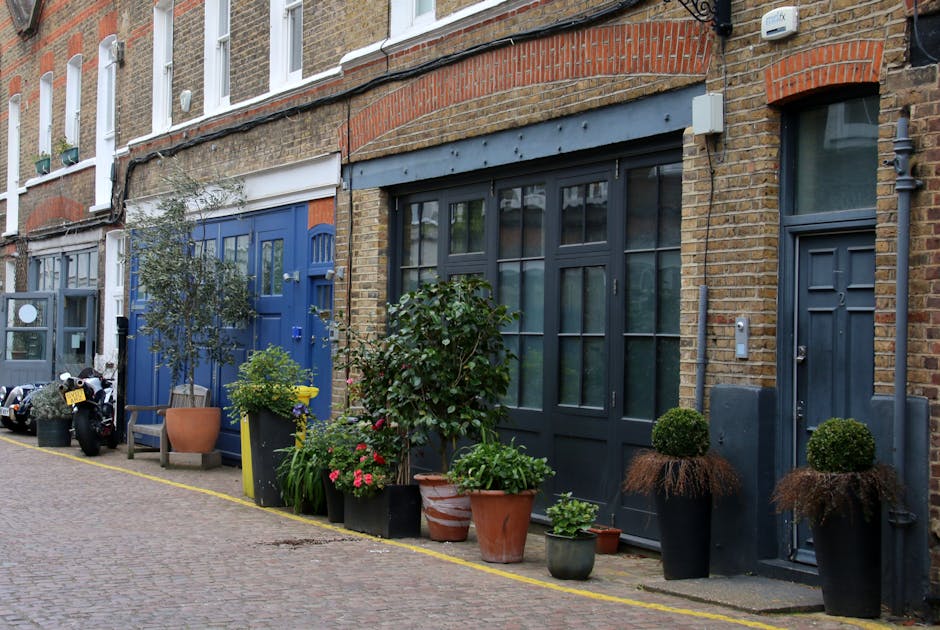
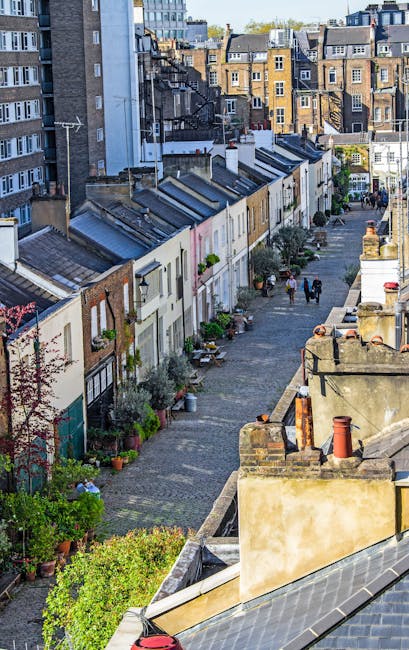
Gardeners for Kilburn High Road terraces: practical, local help for compact London gardens
If you live on or near Kilburn High Road and your terrace garden feels more cramped than calm, you are not alone. Terraces in this part of London often have real charm, but they also come with narrow access, mixed light, overlooking from neighbours, and the usual "I'll do it next weekend" backlog that quietly becomes next month. That is exactly where Gardeners for Kilburn High Road terraces can make a proper difference. The right gardening support turns a tricky outdoor space into something tidy, usable, and a lot less stressful to look after.
In this guide, we'll look at how terrace gardening works in a busy urban setting, what professional gardeners actually do, when it makes sense to bring in help, and how to avoid the mistakes that often leave small gardens looking tired. We'll also cover practical steps, useful tools, a clear checklist, and the kind of local considerations that matter in London homes where every square metre counts.
In short: if your terrace garden needs more structure, better planting, seasonal upkeep, or just someone who understands how to make a small outdoor space behave itself, this article will help you make a smarter decision.
For readers comparing related services, you may also find it useful to explore garden maintenance options, landscaping services, or tree surgery support if your terrace garden is being overshadowed or crowded by larger planting.
Table of Contents
- Why Gardeners for Kilburn High Road terraces Matters
- How Gardeners for Kilburn High Road terraces Works
- Key Benefits and Practical Advantages
- Who This Is For and When It Makes Sense
- Step-by-Step Guidance
- Expert Tips for Better Results
- Common Mistakes to Avoid
- Tools, Resources and Recommendations
- Law, Compliance, Standards, or Best Practice
- Options, Methods, or Comparison Table
- Case Study or Real-World Example
- Practical Checklist
- Conclusion
- Frequently Asked Questions
Why Gardeners for Kilburn High Road terraces Matters
Terrace gardens in Kilburn are often compact, overlooked, and not especially forgiving. They can be long and narrow, split by steps, bordered by brick walls, or squeezed between extensions and side return spaces. Lovely in theory. Slightly awkward in practice.
That awkwardness matters because small urban gardens need a different approach from larger suburban plots. A beds-and-borders strategy that works in a roomy back garden can make a terrace feel cluttered. Likewise, a planting scheme with the wrong shrubs can quickly block paths, darken the space, or create a maintenance headache you did not ask for.
Professional gardeners who understand terrace settings bring more than basic weeding and hedge cutting. They bring judgement. They know how to simplify a space without making it feel bare, how to choose plants that survive London conditions, and how to keep access routes clear when bins, bikes, washing lines, and patio furniture are all competing for room. To be fair, that last bit is half the job.
There is also a bigger reason this matters: a well-kept terrace is more than decoration. It can affect how you use your home. A neat, practical outdoor area gives you somewhere for morning coffee, herbs by the kitchen door, or a quiet seat in the evening when the street finally settles down. Not a luxury, really. More of a livability upgrade.
For homeowners and landlords alike, regular care can also prevent small problems turning into costly ones. A forgotten planter can crack. A blocked drain can overflow. A climber left unchecked can work its way into fascia boards or overwhelm a fence. If your space needs a broader seasonal reset, the page on garden clearance is worth a look too.
Expert summary: terrace gardening is not about making a small space look busy. It is about making it work hard, look calm, and stay manageable throughout the year.
How Gardeners for Kilburn High Road terraces Works
The process usually starts with a walk-through of the space. A good gardener will look at access, light levels, soil condition, drainage, existing plants, and how you actually use the terrace day to day. Not just what it looks like in a photo after a quick tidy-up. The real-life version matters more.
From there, the work is often split into practical layers:
- Initial tidy and reset - removing clutter, cutting back overgrowth, edging, weeding, and restoring shape.
- Plant assessment - identifying what to keep, what to divide, what to replace, and what needs more light or better feeding.
- Structural improvements - small changes such as container placement, trellis support, path clearing, or border reshaping.
- Ongoing maintenance - regular visits to keep growth under control, protect planting, and keep the space presentable.
On terrace plots, the sequence matters. If you prune or plant without first sorting access and structure, you may end up redoing the work later. A neat example: a narrow seating area can feel twice the size if the first job is clearing the central flow line and lifting the edges back into shape.
Some gardeners will also coordinate with other trades if the terrace needs repair work before planting. That may include fence repairs, paving issues, or improving drainage. If the garden has a tired hard-landscaping layout, a page like driveway and paving services may be useful for understanding how outdoor surfaces can be refreshed alongside planting.
In practice, the best results come from treating the terrace as a complete space, not just a set of plants. Where will water run after rain? Where will foot traffic cut across? Which corner catches the morning sun and which one stays damp and cool even in July? These little details change everything.
Key Benefits and Practical Advantages
The benefits of hiring gardeners for terrace properties are easy to see once the space has been properly handled. It is not only about aesthetics, although yes, a polished terrace does lift the whole house. It is also about making the garden easier to live with.
A better use of limited space
Terrace gardens are often too small for casual clutter. A professional can help you define clear zones: seating, planting, storage, and movement. That makes the garden feel more generous without needing extra square footage. A narrow strip can become a surprisingly calm pocket if it is planned well.
Lower maintenance pressure
Many urban gardens look high-maintenance because they were planted or arranged without a realistic upkeep plan. Good gardeners choose plants and layouts that suit how often you can care for them. If you are busy, that matters a lot. Frankly, most people are.
Healthier planting
Terraces can be tricky for plant health because containers dry out quickly in summer and can stay too wet in winter. The right gardener understands compost choice, watering patterns, feeding, and seasonal pruning. That is the difference between a plant that "sort of survived" and one that actually thrives.
Improved kerb appeal and property feel
Even a modest front or rear terrace can make a home feel much better maintained. Clean lines, healthy greenery, and properly spaced pots all create the impression of care. If you are planning to sell, rent, or simply enjoy the place more, that perception counts.
Reduced stress
Let's face it: a garden that always seems slightly behind becomes a background worry. Once it is in better shape, the whole home can feel lighter. You stop noticing the same overgrown corner every time you step outside. That is a small thing, maybe. But it is a good small thing.
| Benefit | What it means on a Kilburn terrace | Why it matters |
|---|---|---|
| Space planning | Clear routes, defined zones, smarter pot placement | Makes a small garden feel bigger and easier to use |
| Plant selection | Species suited to shade, wind, heat, or containers | Improves survival and cuts maintenance |
| Seasonal care | Pruning, feeding, mulching, replanting | Protects plant health through the year |
| Problem control | Overgrowth, drainage issues, clutter, tired borders | Prevents small issues becoming bigger repairs |
Who This Is For and When It Makes Sense
This kind of gardening support is useful for more people than you might think. It is not only for busy professionals or older homeowners, although both groups often appreciate it. Terrace gardening help makes sense whenever the space has become awkward to manage on your own.
You may be a good fit if:
- your terrace garden is narrow, shaded, or difficult to access
- you want a tidy outdoor area without spending every weekend on it
- you have inherited a garden that feels overgrown or poorly designed
- you rent out a property and need the exterior kept presentable
- you want seasonal planting but do not want to manage the details yourself
- you have container planting that keeps drying out, leaning, or failing
It also makes sense if your garden has one annoying issue that keeps returning. For example, a back terrace that never seems to dry out properly after rain, or a side return that is always shaded and mossy. In those cases, a gardener is not just trimming things back. They are solving a pattern.
One nice thing about local terrace work is that it can be staged. You do not always need a full redesign. Sometimes a one-off reset, followed by light monthly maintenance, is enough to bring order back. Other times, a seasonal plan works better. There is no need to make it harder than it needs to be.
If your outdoor space also includes trees or large shrubs that are affecting light and structure, it can help to pair garden care with services such as stump grinding or tree management, especially where old growth has been left to dominate the terrace.
Step-by-Step Guidance
If you are approaching terrace gardening for the first time, a simple process keeps things sane. The worst thing is trying to fix everything at once and then running out of energy halfway through. That is how pots get abandoned behind the shed and everybody pretends not to notice.
1. Look at the garden honestly
Start by standing at the back door and taking in the full space. What actually stops you from using it? Too much mess? Not enough light? Poor layout? Plants in the wrong place? Be specific. "Needs work" is true, but not very useful.
2. Separate permanent structure from temporary clutter
On terraces, the difference between the garden itself and the things sitting in it matters. Identify what is fixed, what can move, and what can be removed. Old plant pots, broken chairs, a sagging planter, garden tools, and dead stems all create visual noise.
3. Decide the function of each zone
Ask what each part of the terrace should do. The sunny corner might suit herbs or a small dining chair. A shadier strip may be better for ferns, evergreen containers, or low-maintenance ground cover. The point is to make the garden work in sections.
4. Improve access first
It sounds basic, but clearing walking lines and doorways should usually come before decorative changes. If you cannot move comfortably around the terrace, everything else becomes more awkward.
5. Sort the planting plan
Choose plants that fit the available light, wind, and watering pattern. For Kilburn terraces, that often means being realistic about container conditions and choosing hardy species that do not sulk at the first dry spell. A garden with some evergreen structure usually looks better through winter as well.
6. Add maintenance rhythms
Think in seasons. Spring is for renewal, summer for watering and deadheading, autumn for clearing and cutting back, and winter for protecting roots and checking drainage. A terrace that gets looked after in rhythm tends to hold its shape far better.
7. Review and adjust
No garden plan is perfect on day one. See what is flourishing, what is straining, and what feels clumsy. A few adjustments after the first few weeks can make a surprisingly big difference. Truth be told, gardens usually teach you something after the fact.
Expert Tips for Better Results
A few small decisions can improve a terrace garden more than a major overhaul done badly. That is the honest version. Good gardeners know when to keep things simple.
- Use larger containers sparingly but strategically. A few well-placed pots often look calmer than many tiny ones.
- Repeat materials. Matching pot colours or using the same edging detail helps a small terrace feel coherent.
- Prioritise year-round structure. Evergreens, clipped forms, or architectural grasses stop the garden from disappearing in colder months.
- Keep one clean line. Whether it is the path edge or the border line, a clean visual break makes the whole space feel intentional.
- Water with the terrace microclimate in mind. Brick, paving, and walls can create hotter, drier pockets than you expect.
- Mulch containers and beds. It helps with moisture retention and gives the garden a more finished appearance.
One especially useful tip for London terraces: do not assume the same plant will behave the same in every corner. A plant in open sun near a wall may need a completely different watering rhythm from one tucked into a sheltered back edge. Same garden, different weather really.
If the space feels visually busy, remove rather than add. That often surprises people. But small gardens usually improve when you edit them hard and then let the remaining elements breathe.
Common Mistakes to Avoid
Most terrace garden problems are not dramatic. They are accumulation problems. A bit of neglect here, a slightly wrong plant choice there, and suddenly the space feels cramped and harder to manage than it should.
Overplanting
This is the big one. People often try to fill every gap. On a terrace, that can quickly create a crowded and fussy look. Leave air around plants. It helps the whole garden feel more composed.
Ignoring drainage
Water that has nowhere sensible to go will always find trouble. Ponding around pots, soggy borders, or repeated moss growth can all signal drainage issues. Fixing the planting without fixing the water pattern is usually a short-term victory.
Choosing plants for looks alone
Yes, the plant catalogue picture is gorgeous. In your actual terrace, though, the plant may face wind, shade, reflected heat, or limited root space. Pick for site conditions first, appearance second.
Forgetting maintenance access
It is easy to design a border that looks lovely and then realise you cannot reach the back of it without balancing on one foot and muttering. Not ideal. Always leave room for pruning, watering, and cleaning.
Using containers without enough size or depth
Small pots dry out fast. Very small pots dry out like a joke. Deeper containers often give roots a more stable home and reduce stress in summer.
Letting climbers take over
Climbers are excellent on terraces, but they need guidance. Without it, they can block windows, shade seating areas, or become more aggressive than helpful.
Another simple mistake: making changes season by season without thinking of the longer view. It is easy to buy a pretty plant in spring. Less exciting when it has nowhere to live by August.
Tools, Resources and Recommendations
Good terrace gardening does not require a huge kit, but the right tools make the work safer and more efficient. For homeowners who like to do some tasks themselves, a sensible starter set is usually enough.
Useful tools
- hand trowel and hand fork
- sharp secateurs for clean pruning
- loppers for thicker stems
- watering can or hose access with a suitable attachment
- gloves with a decent grip
- bucket or trug for carrying weeds and cuttings
- broom and patio brush for tidy finishes
Useful materials
- good-quality compost suitable for containers
- mulch for borders and larger pots
- plant supports or canes for climbers and taller plants
- slow-release feed where appropriate
- replacement pot feet or saucers to improve drainage
Where professional help can save time
If your terrace has years of layered growth, badly placed pots, or a layout that simply does not flow, a professional can usually get further faster. That is especially true if there are larger jobs involved, such as hedge shaping, hard prune work, or a complete seasonal refresh. For more broader support, the service page on garden maintenance service gives a useful sense of what regular care can cover.
There are also times when you may want supporting work outside the garden itself. If overhanging branches are stealing the light, or a tree is contributing to leaf litter and shade, look at our wider garden services and consider whether the issue is really plant density rather than just general untidiness.
Law, Compliance, Standards, or Best Practice
Terrace gardening in London is usually straightforward, but there are a few practical standards and neighbour-friendly habits worth following. This is less about red tape and more about keeping things sensible.
Noise and timing: If work involves pruning, clearing, or powered tools, sensible working hours matter. In residential streets, it is generally wise to avoid early starts or late evening disruption. Local expectations and property rules can differ, especially in flats or managed buildings.
Access and shared boundaries: If the terrace backs onto shared fencing, walls, or communal areas, check what belongs to you before making structural changes. It is always better to confirm boundary responsibilities first than argue later. Nobody enjoys that conversation.
Waste disposal: Green waste should be removed responsibly. If a gardener is handling clearance, ask how debris will be managed. Proper disposal and recycling practices are part of good service, not a bonus add-on.
Plant safety and pests: If you are planting near pathways or children's play areas, avoid creating trip hazards or using plants that obstruct access. If a space has been heavily neglected, check for pests, hidden rot, or unstable pots before trying to tidy everything at speed.
Listed or managed properties: Some terraces sit within leasehold, conservation, or managed settings where external alterations may need permission. If you are unsure, check before making permanent changes such as fixed structures, major hard landscaping, or significant tree work.
The practical best practice here is simple: keep the space tidy, keep the work reversible where possible, and keep neighbours in the loop if the job is likely to be noisy or visible.
Options, Methods, or Comparison Table
There are a few different ways to handle a terrace garden, and the right choice depends on budget, time, and how much change you want. Below is a straightforward comparison that should help.
| Approach | Best for | Pros | Trade-offs |
|---|---|---|---|
| One-off tidy-up | Overgrown or neglected terraces | Fast visual improvement, low commitment | Won't solve long-term maintenance without follow-up |
| Seasonal visits | Homeowners who want help at key times of year | Good balance of cost and care | Some in-between upkeep still needed |
| Monthly maintenance | Busy households or rental properties | Stable appearance, fewer surprises | Requires regular budget planning |
| Full redesign | Terraces with poor layout or tired planting | Can transform how the space functions | More involved and may take longer to complete |
A practical way to decide is to ask: do you need a reset, an ongoing service, or a proper rethink? If the answer is "all three, probably," start with the reset and let the next stage grow from there. That is usually the least painful route.
Case Study or Real-World Example
Imagine a typical rear terrace off Kilburn High Road: a narrow paved space with a few tired pots, a climber that has spread too far, and a corner that collects dead leaves and feels slightly forgotten. Nothing dramatic. Just enough to make the space feel smaller than it is.
A good first pass would likely involve clearing clutter, cutting back the climber, reworking the containers, and checking the drainage around the back edge. The gardener may decide that one wall is too shaded for sun-loving flowers, so instead of forcing the issue, they introduce shade-tolerant planting and a couple of evergreen forms for structure.
The difference is often immediate. The terrace starts to read as a deliberate space rather than a storage area that happens to have some plants in it. A chair can sit properly. The path feels wider. Watering becomes easier because the pots are grouped logically instead of scattered at random. Little things. But they add up.
One homeowner might notice, after the first evening outside, that the space is suddenly used again. A cup of tea at 7:30pm. A bit of fresh air before dinner. A place to stand while the kettle boils, looking at the plants instead of the mess. That is the sort of change people remember.
If the terrace also needs surface cleaning or a more polished finish, combining gardening with related work such as pressure washing can make hard landscaping look as fresh as the planting.
Practical Checklist
Use this quick checklist before booking help or starting a terrace garden project:
- Identify whether the main problem is layout, planting, maintenance, or all three
- Check how much sun, shade, and wind the terrace gets across the day
- Look for drainage issues, pooling water, or mossy patches
- Decide which plants are worth keeping and which are past their best
- Clear access routes so the space can be moved through safely
- Group containers by water need rather than by chance
- Choose a maintenance rhythm you can realistically keep
- Confirm any boundary, leasehold, or shared-space considerations
- Plan for waste removal and green disposal
- Think about how the terrace should feel in winter, not just summer
If you can tick most of those off, you are already ahead of the game. And if you cannot, that is fine too. That is exactly the point of getting help.
Conclusion
Terrace gardens in Kilburn can be lovely, but they need a different kind of care: sharper planning, better plant choices, and maintenance that suits a busy London routine. The right gardener brings order to the layout, health to the planting, and a more relaxed feel to the whole space. Not flashy. Just properly done.
Whether you need a one-off reset, a seasonal tidy, or ongoing help keeping a compact garden under control, the main thing is to work with the space rather than fight it. That is how a narrow terrace becomes genuinely usable. That is how it starts to feel like part of the home again.
Get a free quote today and see how much you can save.
And if all you wanted was a garden that feels calmer on a normal weekday evening, honestly, that is reason enough.
Frequently Asked Questions
What do gardeners for Kilburn High Road terraces usually do?
They typically handle terrace-specific garden work such as tidying, pruning, weeding, container care, planting, layout improvements, and ongoing maintenance. On compact London terraces, the job often includes making the space easier to use as well as better looking.
How often should a terrace garden be maintained?
That depends on the planting and how quickly the garden grows, but many terrace gardens benefit from seasonal visits at minimum. Busy or heavily planted spaces often work better with monthly maintenance, especially in spring and summer.
Can a small terrace garden really be improved without a full redesign?
Yes, often it can. A better plant layout, a tidy reset, and smarter container placement can make a big visual difference. A full redesign is only necessary when the underlying structure or function of the garden is the real issue.
What plants work well on shaded Kilburn terraces?
Shaded terraces usually suit plants that tolerate lower light and more sheltered conditions. The best choice depends on the exact site, but a good gardener will look at how much light the space gets before recommending anything.
Do terrace gardens need more watering than other gardens?
Often, yes. Containers and small paved spaces can dry out quickly, especially in warm weather or on sunny walls. At the same time, poor drainage can make some areas too wet. The watering plan needs to match the terrace conditions.
Is it worth hiring a gardener for just a small terrace?
Very often, yes. Small terraces can be more difficult than larger gardens because every plant and container affects the whole space. A well-planned intervention can save time and prevent expensive mistakes later.
What should I ask before booking gardening help?
Ask what is included, whether one-off or regular visits are available, how waste will be removed, and whether the approach is tailored to terrace gardens. It also helps to ask about timing, access, and any likely follow-up work.
How do I keep a terrace garden from looking cluttered?
Limit the number of containers, repeat colours or materials, and keep clear walking lines. In small spaces, editing is often more effective than adding. A few strong elements usually look better than many small ones.
Can gardeners help if my terrace has drainage problems?
They can often identify the practical causes and recommend improvements, such as better container placement, soil choices, or surface adjustments. If the problem is structural, they may suggest related services or further assessment.
Do I need permission for changes to a terrace garden in London?
Sometimes, yes. If you live in a leasehold, managed property, or somewhere with boundary restrictions, it is wise to check before making permanent changes. Simple planting is usually straightforward, but larger alterations should be confirmed first.
What is the best time of year to refresh a terrace garden?
Spring and early autumn are often the most practical times for a refresh because temperatures are milder and planting conditions are generally more forgiving. That said, a tidy-up or maintenance visit can help at any time of year.
How do I know whether I need maintenance or a full garden redesign?
If the garden basically works but looks tired, maintenance may be enough. If the layout is awkward, access is poor, or the planting never seems to thrive, a redesign may be the better choice. A proper assessment usually clears this up quickly.